So you may be familiar with raw food with lots of fruits, vegetables, nuts, seeds and not heating food above 48 degrees Celsius to keep the food bioactive alive with enzymes. (at 118 Fahrenheit enzymes begin to be destroyed)
But there seems to be an other important part. You may have heard of the quote “You are what you eat” but it should really say “You are what you ingest!”
So this post is about food combining and is based on books, brochures, my own experience and information I found on the internet. I have not found scientific articles about the long term benefits of correct food combining and there has been no scientific proof that correct food combining will make you lose weight. (that I can find!)
However my own experiences with food combining are very good and reading about it gave me lot of information that is both in-line with theoretical and practical research, so I dare to say that the principles of food combining are solid! Just give them a try, buy some books, read information and it will help you become a more healthier happier person. But try to keep seeing food as something fun, delicious and with social aspects and not only as a list of nutrition facts.
Since there is way to much to write about how the human body processes food in a single post, I will give you pointers to other sources and hopefully trigger you to read further information (check all links). I have been amassed that the the information I found have never been taught to me. I have never felt having any stomach or ingestion issues and thought to be pretty normal and healthy. I kind of stumbled on a good information source (Dutch written brochure) about food combining and natural hygiene (that also explained almost all raw food principles). I am still amazed there is almost no information on Wikipedia about these subjects!
Here are some of my own experiences with food combining that made me conclude that it does work!
When I go out to exercise a few times per week I will be in a hurry, It will be in the beginning of the evening, just finished working, have a hungry feeling and I want to have dinner. So for the average western dinner will have contained something like cooked potatoes, vegetables and some fish or meat (or replacements). This meal would have forced me to rest for at least 45 minutes, gave me a heavy full stomach feeling and I thought this was pretty normal!
However If you combine food correctly you will be able to almost exercise intimidate and the food will be ingested without slowing you down. For example I can now eat a more then 800gram raw vegetable stew (without additional water) and start my exercise and have energy throughout the complete intensity exercise. I can tell you that this is a wonderful experience!
One of the best indicators of correct food combining will be your final act of digestion also know as defecation. If you body has digested what you eat correctly your stool will be small, odourless, and compact! You will not have had any excessive flatulence.
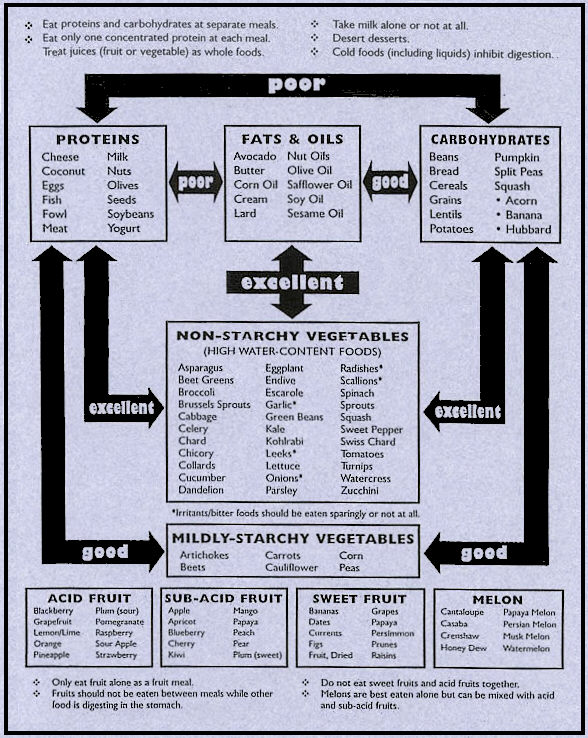
So how do the basics work!
There are different food groups and they contain macronutrients that need different process to digest! If you mix food groups that need different circumstances some part of your food will not digested and other parts will be digested less efficiently and the process can take a lot of your energy. Mixing will be in the form of eating food at the same time or eating food before your stomach has finished processing your previous meal. Be aware that drinking is also food. Dr. Herbert M. Shelton one of the food combining pioneers suggests that more then 25% will just pass trough your digestive system polluting, fermentation and toxicating your body when you combine your food badly. (this inefficient food ingestion with fermentation is what will make your stool smell bad)
The three primary macronutrients are Starch, Protein and Fat.
If you eat starchy food the digestion starts in your mouth where you must chew your food (there is no other place where food will be made in smaller chucks!!), Your saliva will release amylase containing ptyalin. You mouth will only do this if it detects starchy food! If your food is mixed with fluids or something sweet the amylase is not released and the starch will not be digested properly.
When you swallow your food it goes to your stomach where the pH will be different depending on what your want to digest. To digest starch your stomach fluids will have an alkaline pH optimum.
To digest proteins your stomach will release the enzyme Pepsin that will need an gastric acidic pH optimum.
So eating both starchy food together with proteins, will be a bad combination and will be hard to digest. Beans contain both starch and proteins and will be hard to digest, but also a slice of bread with cheese or potatoes with meat. Your body will need to work hard to get some energy out of the meal because your stomach fluids will be in a non optimal state for ether processing starch or the proteins.
Proteins are useless for the body in the state they are consumed. They have to be processed to amino acids chains and even then they need to be processed to amino acids the body can actually use. The stomach only does the first step for proteins, the pancreas releases other enzymes and fluids so the peptides can be further broken down to amino acids in the small and large intestine.
To digest fats or oils your stomach will need an acid environment and it will delay digestion for a few hours. So either combining them with protein or starch ain’t a good combination. This made me wonder a lot about the natural combination in some nuts because they contain both fat and proteins in high amounts.
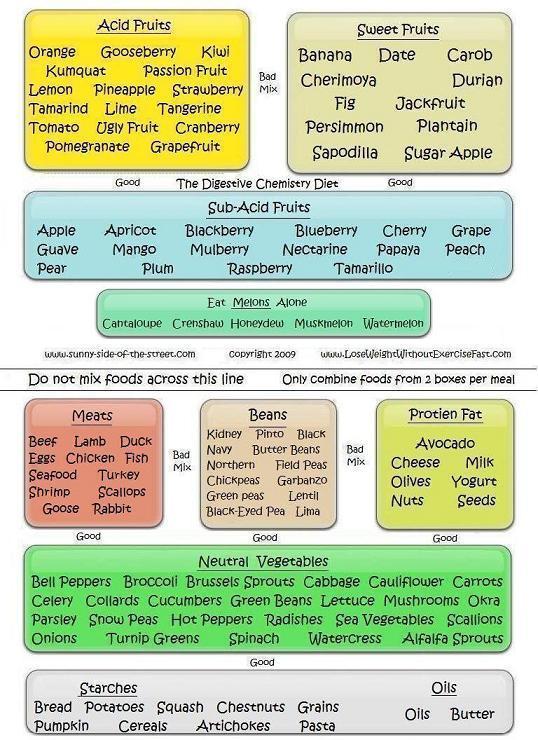
Click here for a printable version of an other food combining chart
So that are the basics of food combining and natural hygiene, just search the internet and you will find a lot more information (less then I expected thought!) The pioneers are William Howard Hay (1866-1940) and Dr. Herbert M. Shelton (1895-1985)
With our education and social behaviour it seems very hard to live a life with correct food combining. I personally try to combine food correct on the days I am going to exercise. Keep the food combining principles as baseline when eating at home and when I eat somewhere else I just enjoy my food as it comes! I am also amassed that with all our medical advances there is so little real education on what correct food can do to the human body. Prevention is better than cure.
If you can read Dutch, buy the Groene dag brochure – juist combineren brochure it will provide a lot of good information. If only half their archive is that useful I will start reading all of their articles.
I spent a fair amount of time writing this post and reading informations about the subject. I hope you all like this post and please share what you think about it! and of-course what your experiences are! I hope to write some more practical information about this subject in the near future.
Update: I found a related interesting article: Sequential eating and food combining

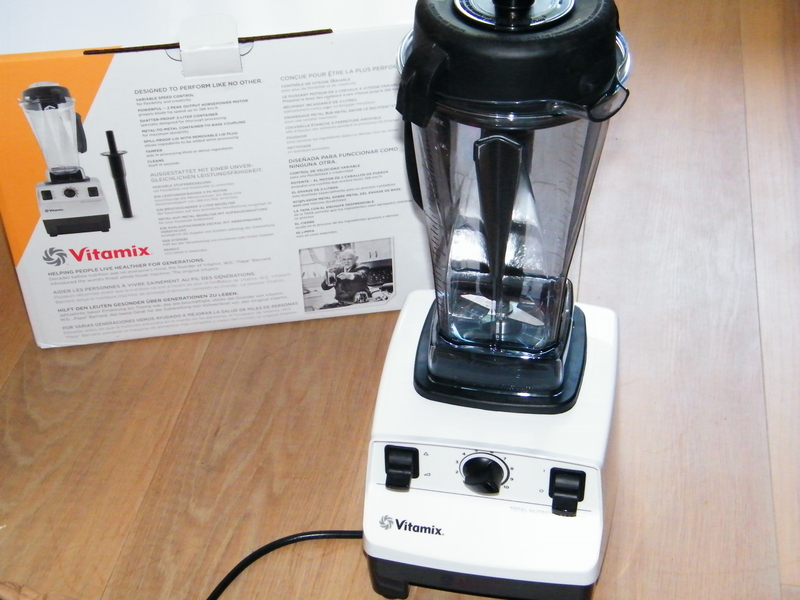
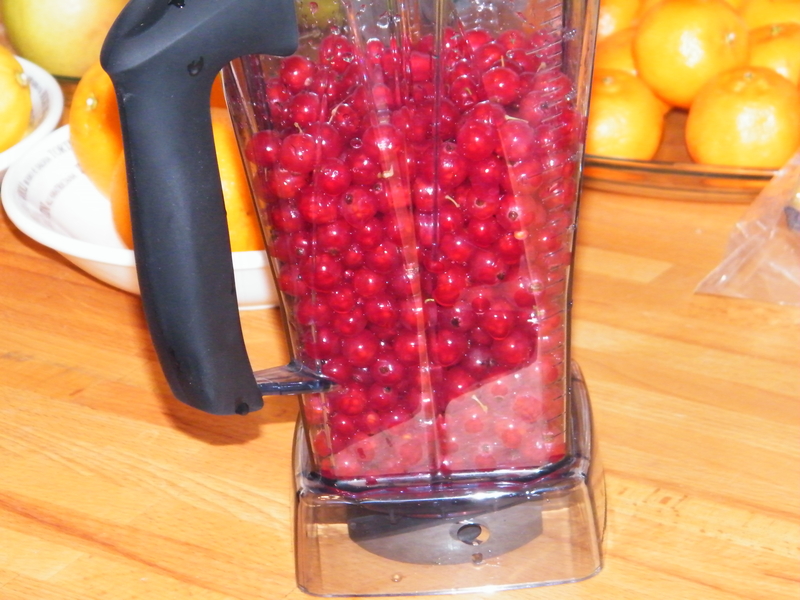 These babies are red currant also known as aalbessen in Dutch. They are quite common this time of year and are locally grown and organic. I used to really hate them because they have a lot of small seeds that get stuck between your teeth. However the vita-mix will pulverise almost all seeds and when adding a few hands of frozen strawberries it made a nice fresh smoothie.
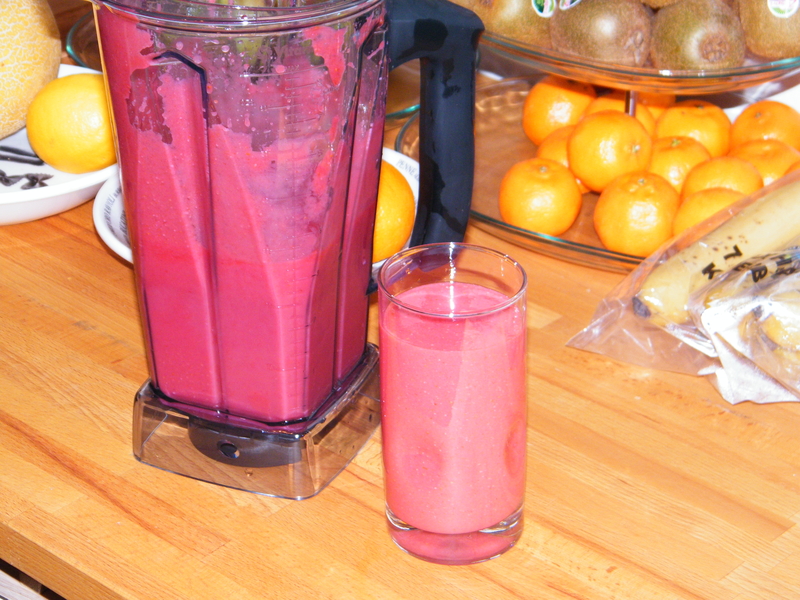 The resulting red currant strawberry smoothie
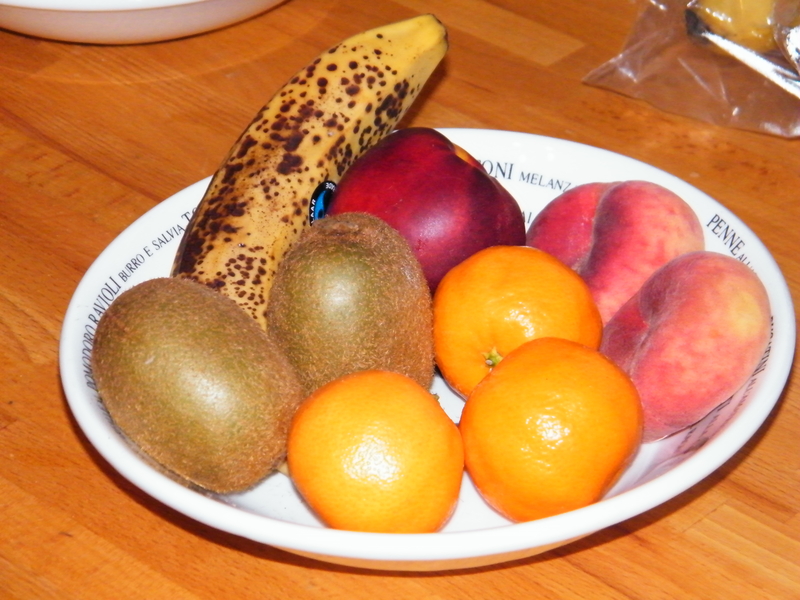 Late breakfast waited until I got hungry, as you see all whole fruits, no blending and no green smoothie.
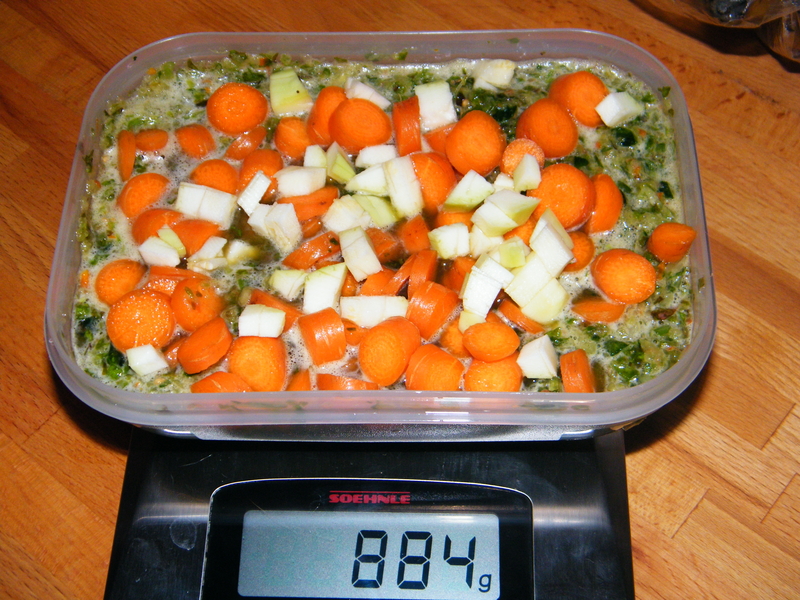 OK, this one is kind of special, it is a vegetable stew, I make these when I am in a hurry and about to exercise, these little monsters consist of all vegetables and small bit of agave syrup, honey, maple syrup or other natural sweetener. The food combining is perfect and allows me to eat this 800g vegetable stew and go out running only 10 minutes later and have enough energy for a few hours with high intensity training without any stomach issues. The vita-mix with its tamper is perfect for making this stew, and I dare you to find an other way to get so much vegetables into one meal and make it tasty enough to repeat it weekly!
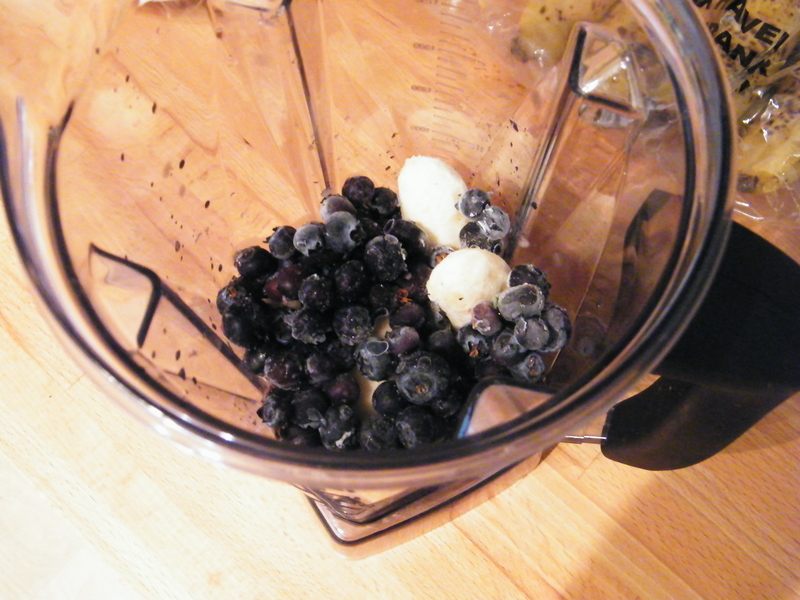 Some water, two bananas hand of frozen blueberries and a few frozen cherries, I have a few of these smoothies every week.
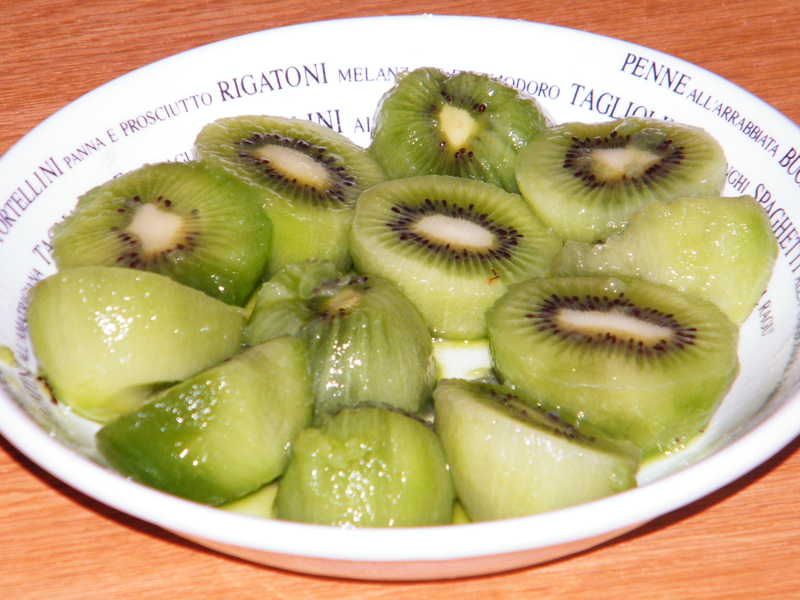 Got some ripe kiwi’s for lunch.
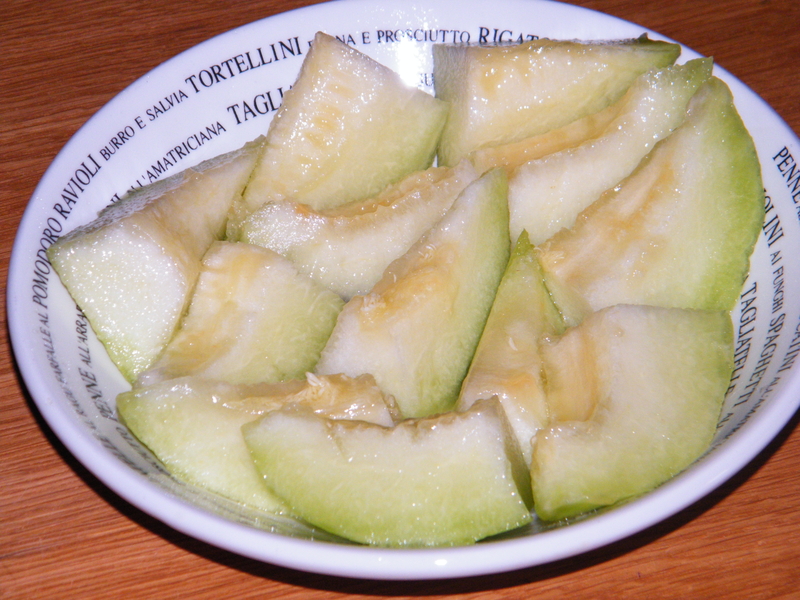 And some melons a few hours later.
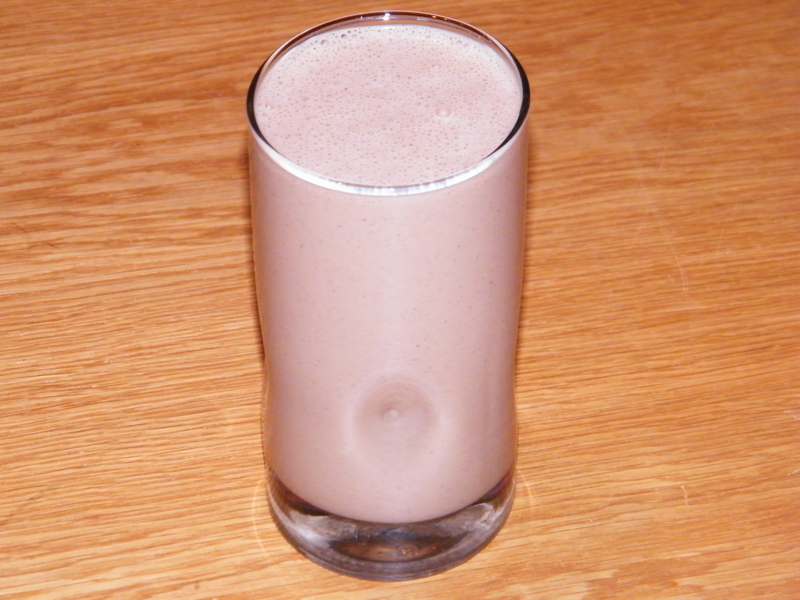 This was a post workout recovery drink with soaked almonds and sun warrior chocolate protein, I am still searching for a tasty good combined protein drink….
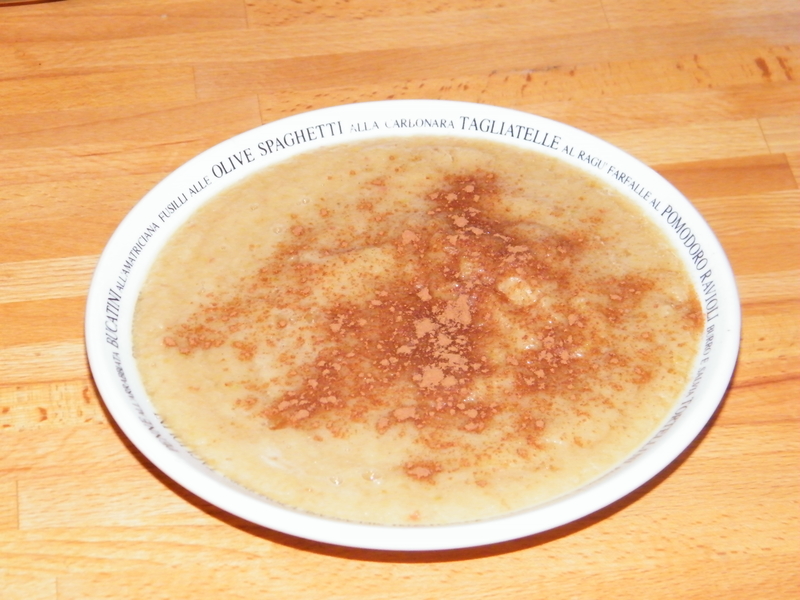 Blended some apples with a topping of cinnamon.
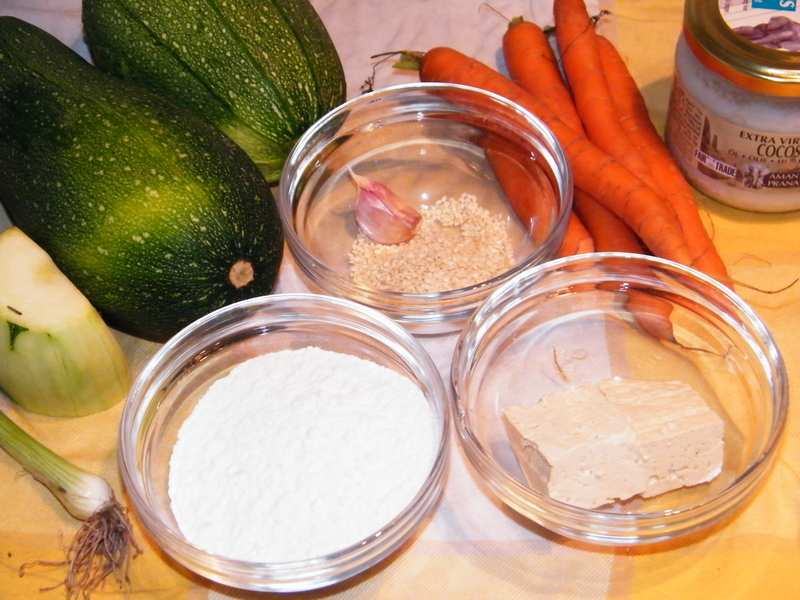 Experimented some more by trying to create carrot-zucchini-pancakes based on the recipe of sueintraining. I replaced the egg with tofu but maybe this was not such a good idea… I got a lot of zucchini (courgette) so I am trying to find as much interesting recipes :)
 The resulting mixture that went into the frying pan with some sesame oil, I also tried them with coconut oil.
 The resulting pancakes, they look pretty good, but I found them tasting a bit to much after the flour.
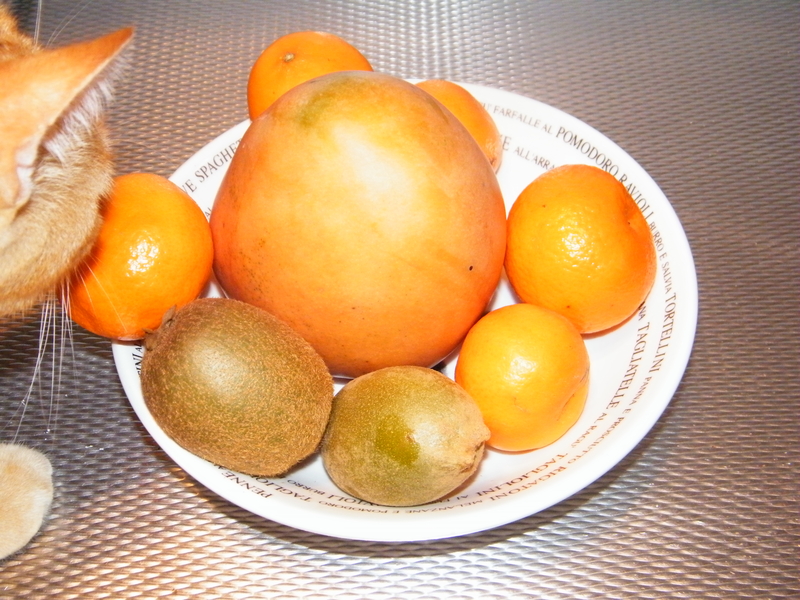 Breakfast and later the mango for lunch.
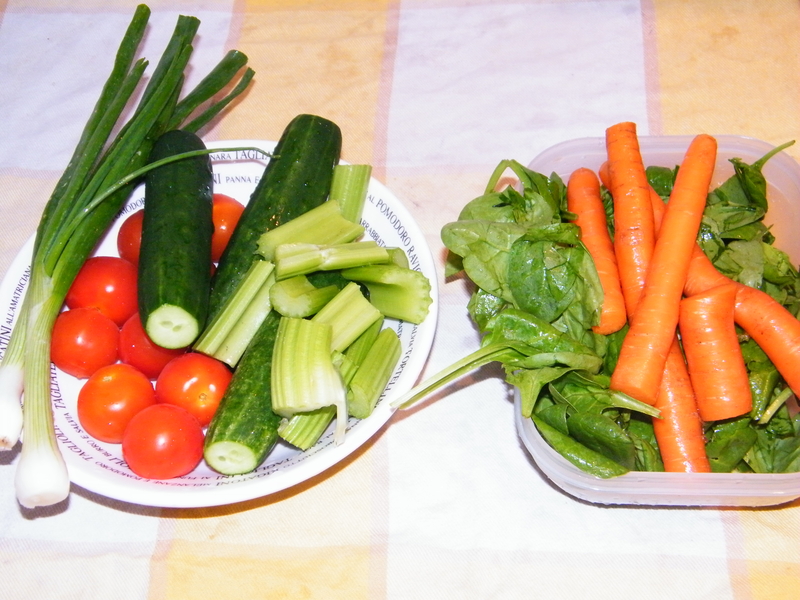 The ingredients for my vegetable stew minus the agave syrup I also used.
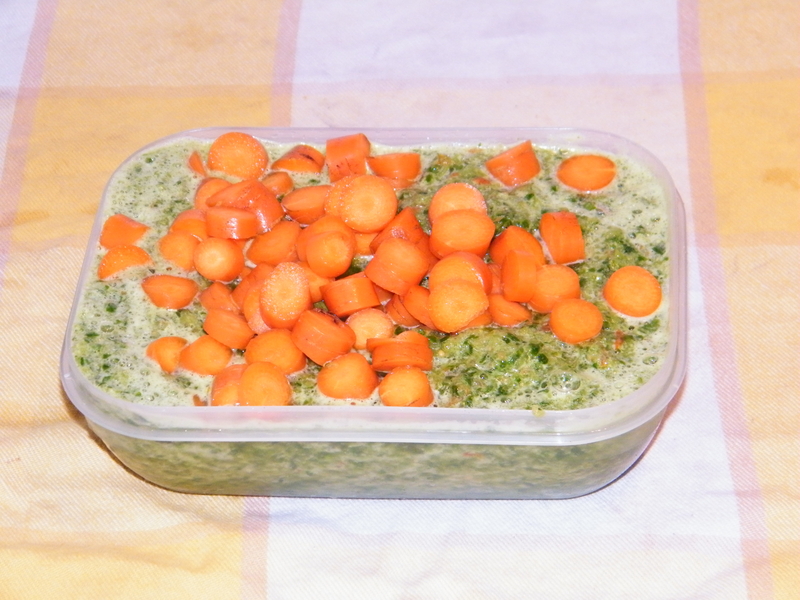 And an other fast vegetable stew before heading of for a group running session. It was really pouring rain, so we where completely soaked but it was a wonderful training.
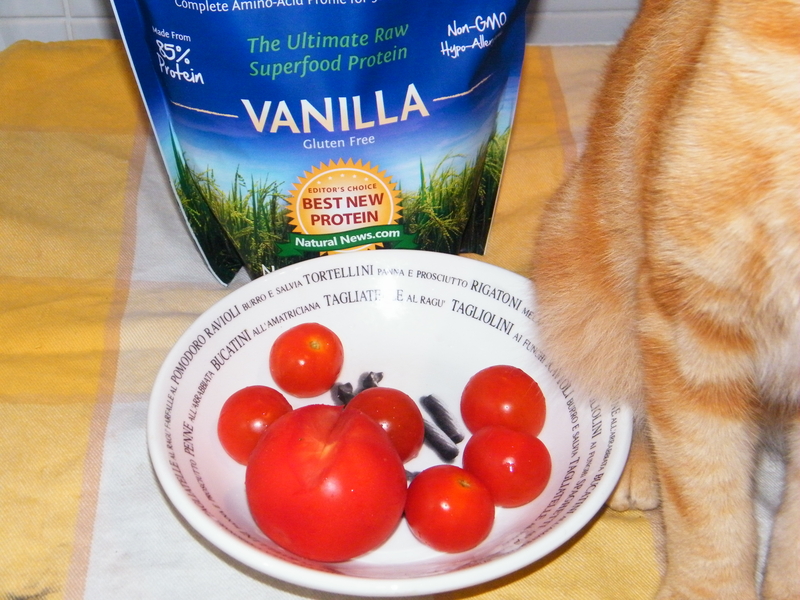 The ingredients for my post workout recovery drink. I am trying to find some vegetable/protein combo that taste good. This was definitely not it :D
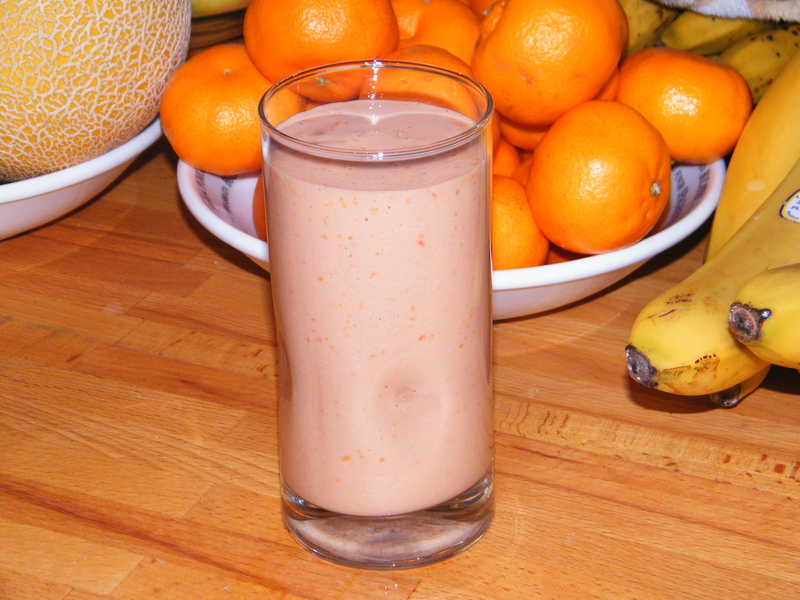 The resulting tomato sun warrior vanilla protein drink. (not so tasteful..)
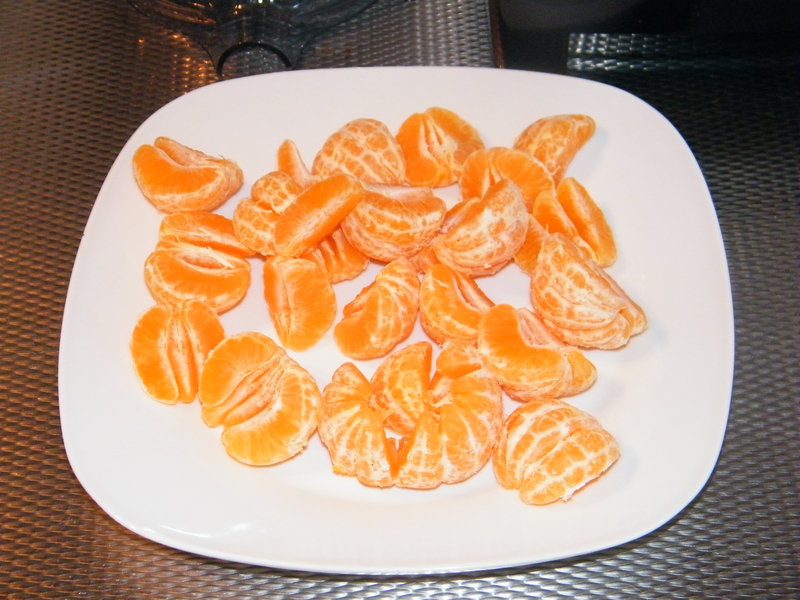 A bunch of tangerines as breakfast.
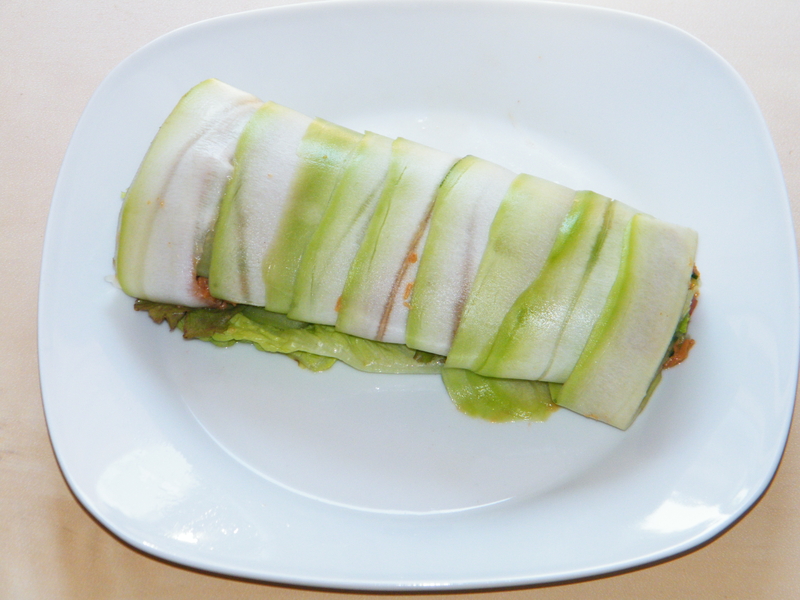 Lunch a zucchini, cucumber, tomatoes, curly lettuce and peanut butter spread roll. It was correct food combining and no bread, and it tasted pretty good.
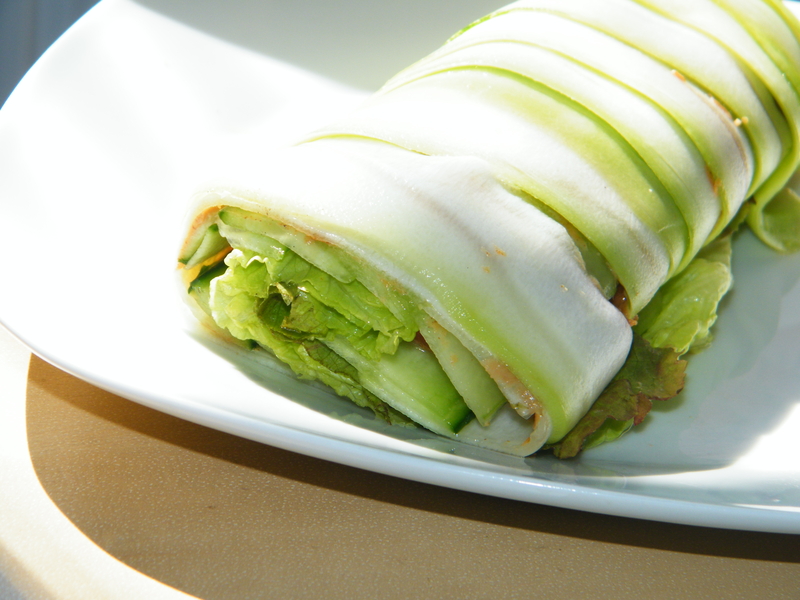 Same thing from a different angle.
 I made an other variation for dinner only with a raw nori sheet and with some non raw/organic Heinz sandwich spread natural.
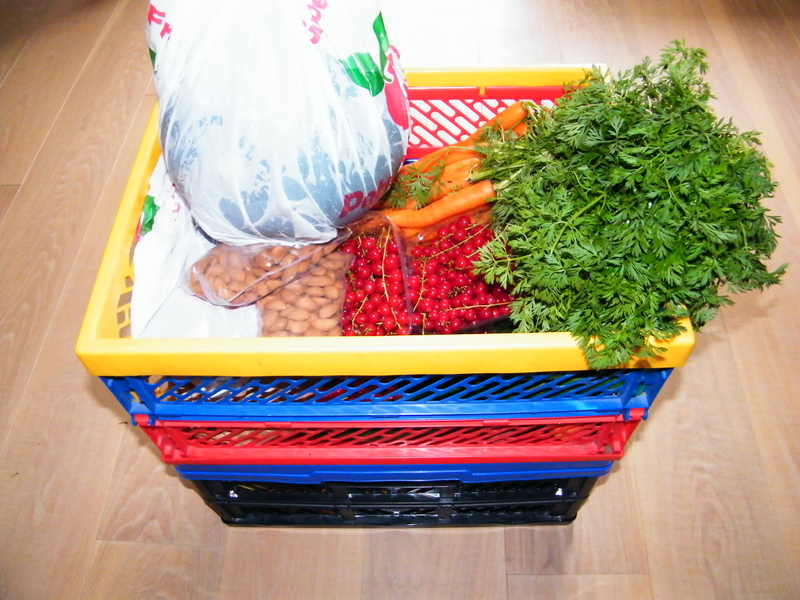
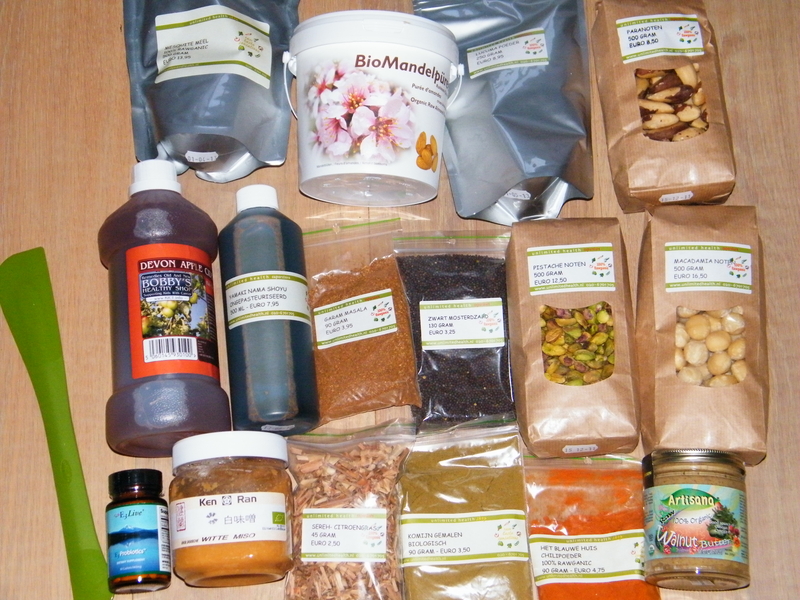 Received my stock resupply with some special hard to get ingredients!
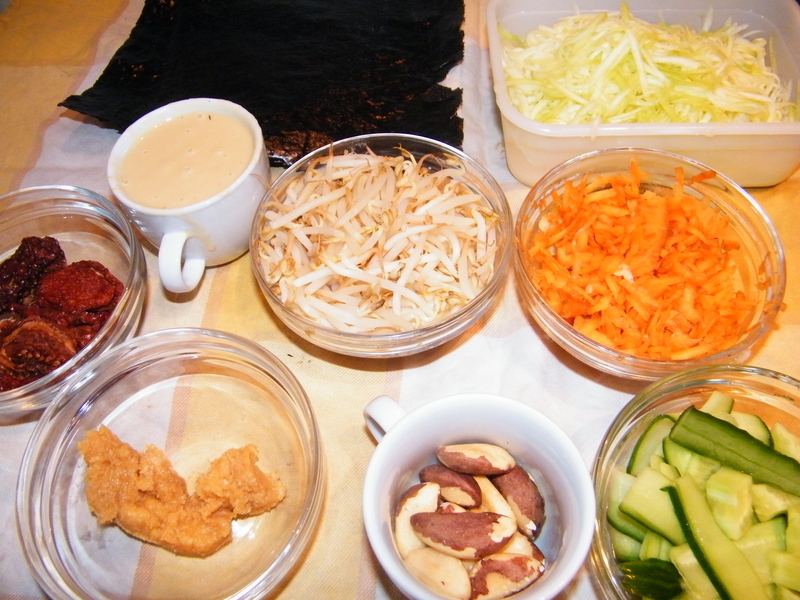 Wanted to tryout some of my new ingredients like the white miso, Brazil nuts (paranoten), almond butter and some sun dried tomatoes.
 The raw nori sheet with nut spread, courgette, bean sprouts(taugé), carrots and cucumber.
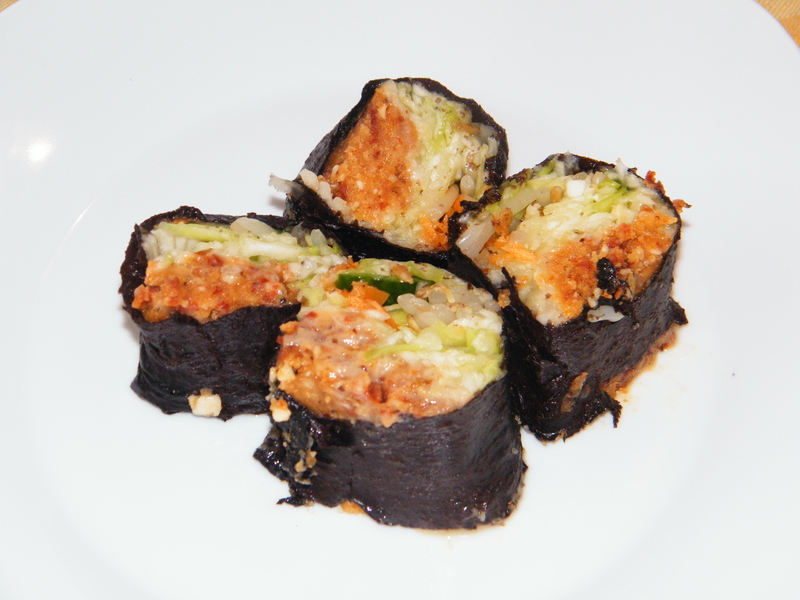 The resulting nori sheets!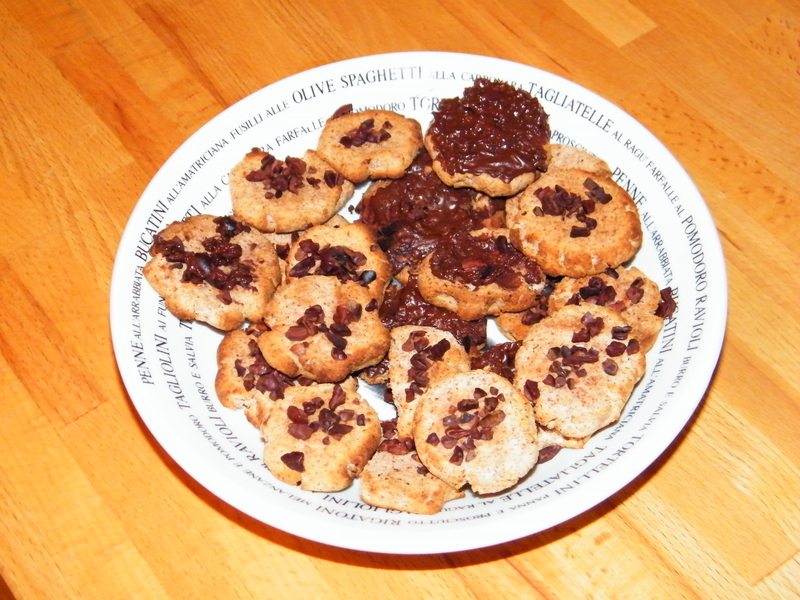


Recent Comments